
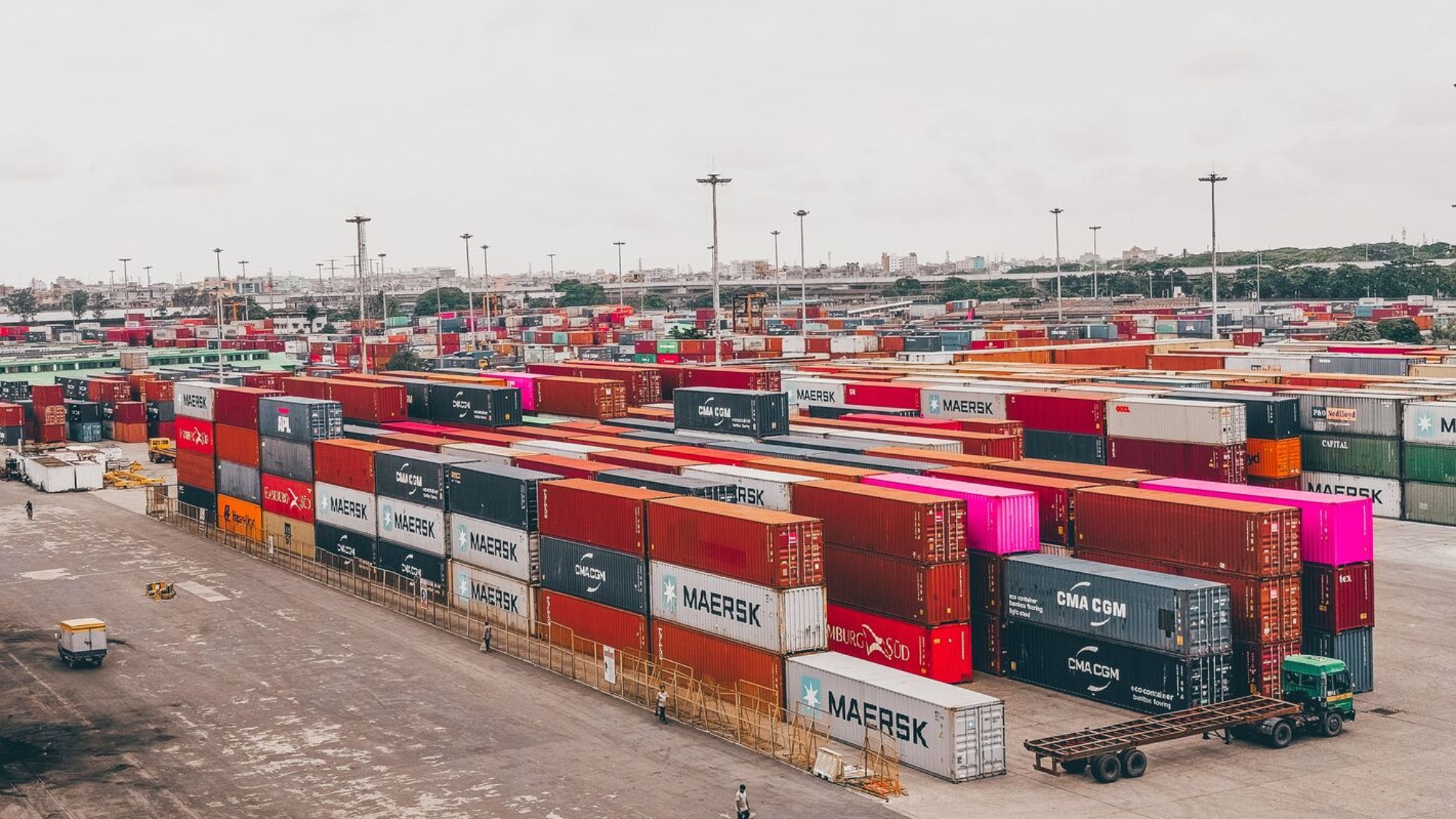
Port congestion is one of the most disruptive variables in European supply chain management – and one of the least directly controllable by the shippers and road freight operators it affects. When a major port such as Rotterdam or Antwerp experiences significant congestion, the effects ripple outward through the supply chain: container availability drops, dwell times extend, vessel schedules shift, and the road freight operations collecting and delivering to the port face delays that were not in their plan and cannot be easily mitigated once the congestion has materialised. Managing the impact of port congestion on road freight planning requires anticipating its effects, building appropriate buffers, and maintaining the operational flexibility to respond when conditions deteriorate. RoadFreightCompany manages port collection and delivery operations regularly and has developed a clear framework for how congestion risk should be incorporated into planning rather than absorbed as an unavoidable operational surprise.
How Port Congestion Propagates Into Road Freight
The mechanism through which port congestion affects road freight is straightforward but its timing is not always obvious. When a port is congested – whether from high import volumes, vessel bunching from earlier delays, industrial action, or infrastructure constraints – the dwell time for containers between vessel discharge and collection availability extends. Free time periods run down while containers wait. Demurrage charges accumulate. And the road freight operations that had planned collections against the original availability date are now collecting later than planned, with downstream effects on the delivery schedules and warehouse receiving operations that were built around the original timeline.
The challenge for planning purposes is that port congestion at the time of collection is often not predictable from the information available at the time of booking. Vessel arrival estimates that looked accurate two weeks before arrival may be significantly wrong by the time the vessel approaches the port. Terminal processing capacity that was adequate in the previous week may be overwhelmed by a burst of arrivals. The planning response to this uncertainty is not to eliminate it – that is not possible – but to build the operational buffers and communication protocols that contain its impact when it materialises. The port monitoring and collection scheduling approach that the operations team at RoadFreightCompany applies to container collections is built specifically around this principle – treating congestion risk as a standing planning variable rather than an exceptional event.
Planning Buffers That Actually Work
The planning buffers that most effectively contain port congestion impact are those built into the right stages of the supply chain rather than applied uniformly across all stages. The specific buffers that provide the most value are:
- Container collection window flexibility – planning collection across a two to three day window rather than a specific day, which allows the collection to be timed against actual container availability rather than planned availability
- Free time buffer in demurrage planning – building a buffer of one to two days into the free time calculation to absorb the dwell time extension that congestion commonly produces
- Receiving schedule flexibility at the destination – confirming that the destination facility can receive the container across a range of arrival times rather than only within a tight window that congestion will inevitably miss
- Safety stock for time-critical components – maintaining a buffer stock at the production or distribution facility that can absorb a container delay of several days without affecting the downstream operation
Each of these buffers has a cost – in working capital for safety stock, in planning complexity for flexible windows, in demurrage budget for free time buffers. Those costs are real and should be weighed against the cost of congestion impact without buffers. For most operations, the buffer investment is significantly cheaper than the combination of demurrage charges, expediting costs, and downstream disruption that congestion without buffers produces.
Communication During Congestion Events
The communication discipline that most directly limits the commercial damage of port congestion is early and specific notification to all affected parties. A shipper who knows that a container will be delayed by three to five days because of port congestion has options: adjusting production schedules, communicating to customers, arranging alternative sourcing for the most critical items. A shipper who discovers the delay on the day the container was due to arrive has none of those options.
The information required to provide early notification is available – vessel tracking data, terminal status updates, port authority announcements – but it requires someone to be monitoring it and connecting it to the specific containers and delivery commitments affected. That monitoring and communication function is one that a road freight partner with active port operations is better placed to provide than the shipper’s internal team, which typically lacks the real-time port visibility that makes early notification possible.
Port congestion is a permanent feature of European freight logistics rather than an exceptional event. The supply chains that handle it most effectively are those that built the buffers, the monitoring, and the communication protocols to manage it before it became acute. That proactive approach – treating congestion as a known risk to be managed rather than a force majeure to be absorbed – is what separates supply chains that hold under congestion from those that fail under it. Building that approach into the road freight planning process is something RoadFreightCompany supports across every port collection and delivery operation in its network.
Port congestion cannot be controlled. Its impact on road freight operations and supply chains can be managed – through the right buffers, the right monitoring, and the right communication discipline.
The operations that manage it best are not those that experience less congestion. They are those that planned for it in advance and responded to it faster when it occurred.
For importers and logistics operations with significant port exposure, building the congestion management framework described above is the most direct investment available in supply chain resilience against one of its most consistent disruptors. Road Freight Company is ready to support that planning.
Port congestion will keep occurring. Its timing is unpredictable but its existence as a supply chain risk is not – and the planning that addresses a known risk is always more effective and less costly than the reaction that manages an unexpected one.
The supply chains that treat port congestion as a planning variable rather than an exceptional event are consistently better positioned when it occurs – in their cost exposure, their operational response, and the commercial relationships that depend on delivery reliability.
Building that treatment into the standard supply chain planning process is available to any importer willing to invest in the framework before the next congestion event makes the cost of not having it concrete. RoadFreightCompany is the right partner to support that investment.