
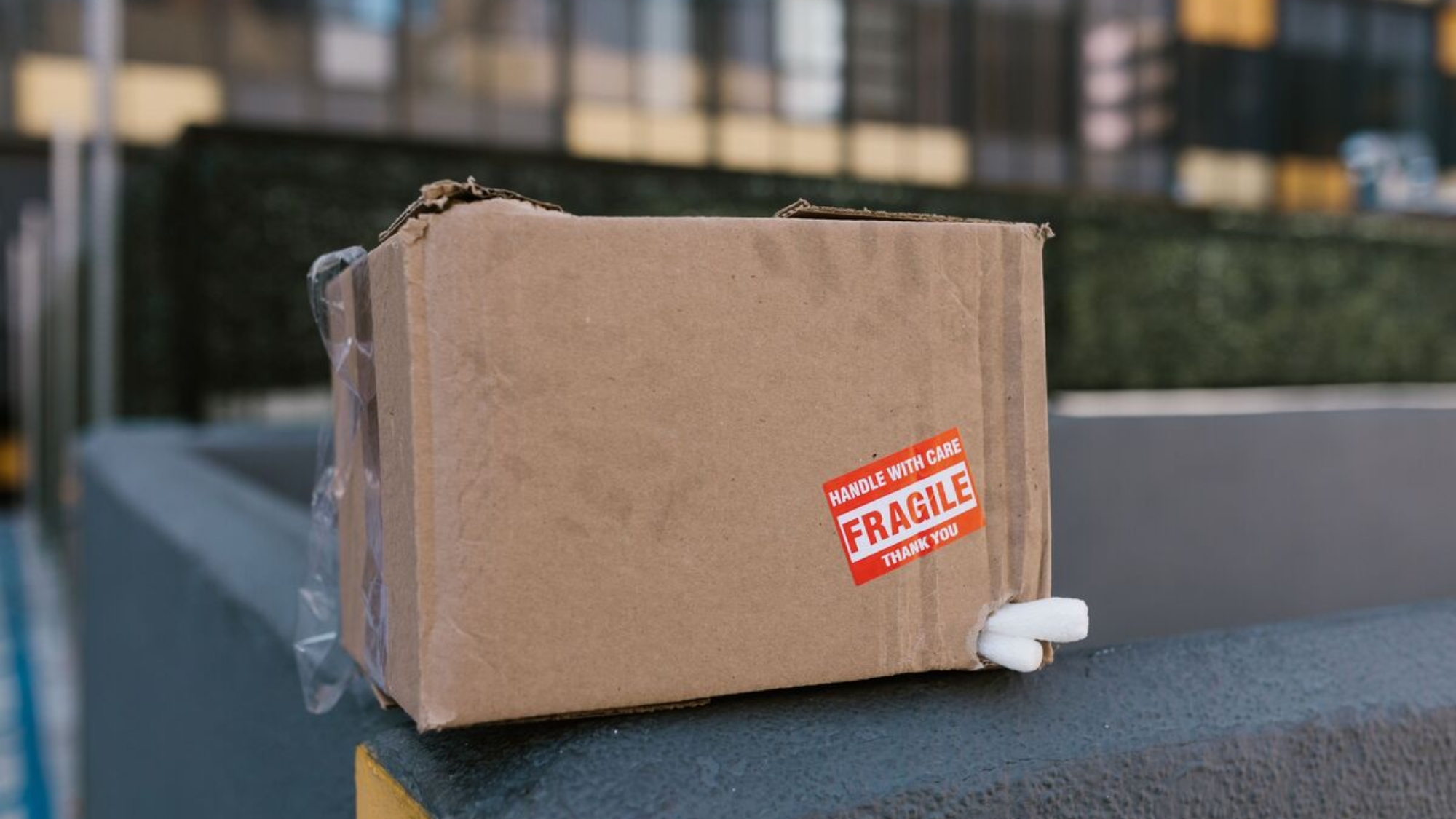
Freight damage claims are one of those operational costs that are individually manageable and collectively significant. A single damaged pallet is a minor event. A damage rate of one percent across a high-volume operation is a meaningful annual cost – in direct replacement value, in the claims administration that each incident generates, and in the customer relationship impact of goods that arrive in poor condition. Most freight damage is preventable: it originates in packaging that was not designed for transit conditions, loading that did not secure the cargo adequately, or handling that exceeded what the packaging was rated to withstand. Identifying which of these factors is driving the damage rate in a specific operation is the starting point for a reduction programme that produces measurable results. RoadFreightCompany tracks damage rates across client operations as a standing performance metric specifically because the improvement available is almost always larger than the initial estimate.
Understanding Where Freight Damage Originates
Freight damage has three primary origins: packaging failure, securing failure, and handling failure. Each produces different damage patterns and requires different remediation. Packaging failure – where the packaging collapses, crushes, or allows product movement within the outer case during transit – typically produces damage that is distributed across a proportion of units in the affected consignment rather than concentrated in a single location. Securing failure – where the load shifts during transit because strapping, blocking, or bracing was inadequate – produces damage concentrated at the contact points where shifted cargo struck other cargo or the vehicle structure. Handling failure – where cargo is dropped, impacted by a forklift, or subjected to forces that exceed the packaging rating – produces more localised damage, often at edges or corners.
Identifying which origin dominates the current damage pattern is straightforward from the claims data. The damage description on claims – noting whether damage is distributed across a consignment or concentrated in specific units, and whether it corresponds to crushing, shifting, or impact – points clearly to the primary cause. The damage analysis process that the operations team at RoadFreightCompany applies to client claims data at the start of a damage reduction programme uses exactly this classification approach – because the remediation for packaging failure is fundamentally different from the remediation for securing failure, and applying the wrong intervention to the wrong cause produces no improvement.
Addressing Packaging Failure
Packaging that fails during transit almost always fails because it was not designed against transit conditions. The specific transit stresses that packaging needs to withstand – vibration, compression from stacking, dynamic horizontal forces during acceleration and braking, and humidity variation between a climate-controlled warehouse and a trailer parked overnight – are different from the static storage conditions against which packaging is typically rated.
Testing packaging against transit conditions before adopting it as a standard is the most direct way to identify packaging specifications that will fail in transit before they have generated claims. Vibration table testing, compression testing at the stack weights the packaging will actually experience in a loaded trailer, and drop testing at the heights from which packages are likely to be mishandled all produce data that predicts transit performance more accurately than storage test results.
Right-sizing packaging so that there is minimal void space around the product – reducing the opportunity for product movement within the outer case during transit – is the single most consistently effective packaging change for reducing damage rates from packaging failure. It also reduces material cost and improves load efficiency, making it one of the few operational changes that improves damage rates, reduces cost, and improves sustainability simultaneously.
Addressing Securing and Handling Failures
Securing failure is addressed through load planning and securing standards applied consistently at loading. A load plan that accounts for the dynamic forces the cargo will experience in transit – positioning heavy items low and over the axles, ensuring that light items cannot be crushed by heavier ones above them, and using blocking and bracing to prevent lateral movement – produces a load that maintains its integrity throughout the journey. Securing standards that specify the strap count, tension, and placement for each load type, applied consistently rather than left to individual loader judgement, produce consistent securing quality rather than the variability that generates damage on some loads and not others.
Handling failure is the most difficult damage cause to address because it occurs at multiple points in the supply chain – at loading, at intermediate handling facilities, and at the delivery point – and is not always visible to the carrier. The most effective handling failure reduction measure is packaging that is rated to withstand handling forces that exceed what normal careful handling would produce – providing a margin of safety against the occasional rough handling event that will occur regardless of standards and training.
A freight damage reduction programme that addresses all three causes – packaging specification, securing standards, and handling margin – produces cumulative improvements that compound across each intervention. The claims data after each intervention reveals whether the targeted cause has been addressed and which cause now dominates the remaining claims – allowing the programme to be directed toward the next highest-value improvement. That iterative, data-driven approach to damage reduction is what RoadFreightCompany applies to client damage reduction programmes – because the improvement available is almost always larger than a single intervention reveals, and the data after each step points clearly to the next.
Freight damage claims are not an inherent feature of logistics operations. They are the output of specific, identifiable failure conditions – in packaging, securing, or handling – that are addressable with specific, practical interventions.
The operations that achieve the lowest damage rates are not those with the most careful handlers or the most conservative transit speeds. They are those whose packaging, securing standards, and handling margins were designed to withstand the actual conditions of road freight rather than the ideal conditions of a laboratory test.
Building that design discipline into a freight operation produces damage rate reductions that hold across every subsequent shipment. For operations where damage claims are a meaningful cost category, the damage analysis and reduction programme is the most direct path to improvement – and it is the starting point that RoadFreightCompany recommends to every client whose damage rate data suggests meaningful reduction potential.
Freight damage is preventable. The specific preventions are different for each damage cause, and identifying the right cause requires looking at the claims data honestly rather than assuming the most obvious explanation.
The operations that reduce damage rates most significantly are those that conducted the analysis, identified the primary causes, and applied the specific interventions those causes required – rather than applying generic damage reduction advice to a problem that required targeted solutions.
That targeted, data-driven approach is available to any operation with a claims dataset and the willingness to look at what it reveals. Road Freight Company is ready to support that analysis – and the damage reduction programme that follows from it.