
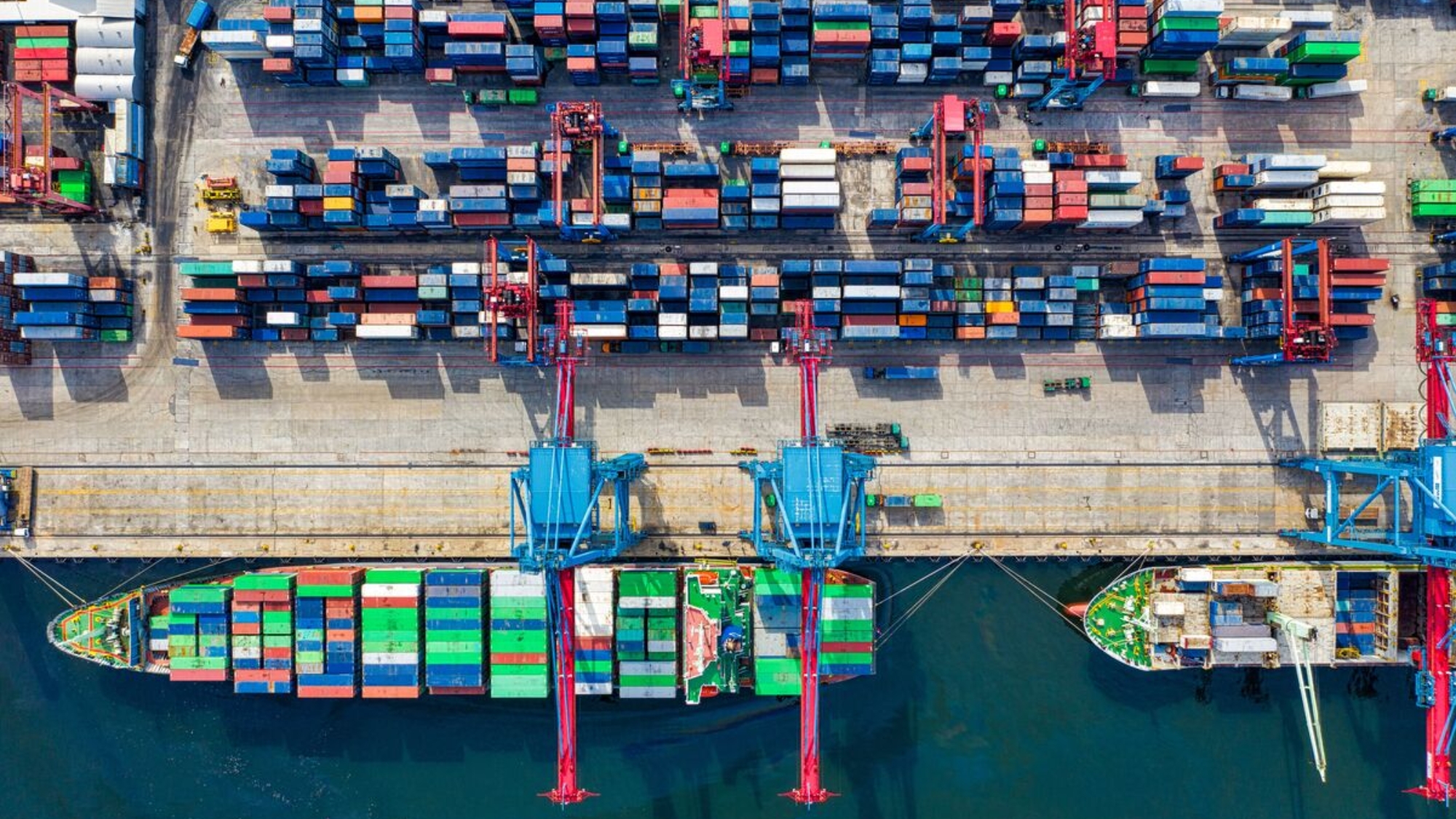
The inbound freight journey from Asian manufacturing origins to European distribution is one of the longest and most complex supply chain segments that European importers manage. Ocean shipping lead times, port congestion variability, customs clearance requirements, inland container transport, and the final delivery to distribution or production facilities all need to function in sequence for the goods to arrive when and where they are needed. The total cost and reliability of that journey is determined by decisions made across all of these stages – and most of them have meaningful optimisation potential that importers who have not recently reviewed their inbound supply chain have not yet captured. RoadFreightCompany manages the European land leg of inbound Asian freight for a range of clients and has a clear view of where the most accessible improvements in cost and reliability sit across the full inbound journey.
Ocean Booking Strategy and Its Land-Side Implications
The ocean booking decision – which carrier, which routing, which service – has implications that extend well beyond the sea freight rate. Transit time variability between ocean carriers on the same trade lane can be significant, and that variability flows directly into the planning uncertainty faced by the European receiving operation. A carrier whose schedule reliability is poor requires the importer to hold more safety stock, book more flexible inland transport, and manage more exceptions than one whose published transit times are consistently met.
Container arrival timing relative to port free time periods is another ocean booking consideration with direct cost implications. Containers that arrive during port congestion peaks or that require storage beyond the free time period accumulate demurrage and detention charges that can significantly exceed the ocean freight saving from choosing a cheaper carrier. The ocean-to-inland coordination that the planning team at RoadFreightCompany manages for inbound clients starts from the container arrival timing – because the inland transport cost and the demurrage exposure together often exceed the ocean freight differential between carrier options.
Port Selection and Inland Routing
European importers with routing flexibility have a meaningful choice between the major Northern European ports – Rotterdam, Antwerp, Hamburg – and that choice has cost and reliability implications for the inland leg that are worth modelling explicitly rather than defaulting to whichever port the ocean carrier prefers.
The relevant factors in port selection for inland cost include: the distance from the port to the primary distribution location, the availability and cost of inland container transport on the relevant corridor, the port’s typical congestion level and its effect on terminal dwell time, and the customs processing efficiency at the port relative to alternatives. A port that is geographically closer to the distribution centre but operates at higher congestion levels may produce longer total lead times and higher costs than a more distant port with faster processing. Modelling the full inbound cost – ocean freight plus port charges plus inland transport plus inventory carrying cost during transit – rather than optimising each component separately is what produces the genuinely best total outcome.
Air freight from Asia is a separate consideration for high-value, time-critical, or low-volume shipments where the premium is justified by the speed differential. The decision framework between air and ocean is straightforward for extreme cases but requires careful cost modelling in the middle ground where the inventory carrying cost of a longer ocean transit may approach or exceed the air freight premium. That modelling is something that the commercial team at RoadFreightCompany supports for clients evaluating mode decisions on specific product categories or in response to specific supply disruptions.
Inland Container Management
The inland leg – from the European port to the final distribution or production facility – is where the road freight operation connects to the inbound supply chain. Container collection timing, routing, and handling at the destination all affect the total cost and lead time of the inbound journey.
The most avoidable costs in inland container management are:
- Missed collection windows – where the container is available for collection but the road carrier is not ready, triggering demurrage charges that accumulate daily
- Inefficient stripping – where the container is transported to the destination and stripped there rather than being cross-docked at an inland depot closer to the port, adding unnecessary road distance
- Documentation delays – where incomplete or incorrect import documentation prevents customs release and extends the port dwell time beyond the free period
- Poor container return scheduling – where the empty container is not returned to the port within the contracted period, triggering detention charges
Each of these is addressable with the right planning process and the right inland transport partner. The total saving from eliminating avoidable inland container costs typically exceeds the potential saving from renegotiating the ocean freight rate – which makes inland container optimisation the higher-priority starting point for most inbound supply chain improvement programmes.
Inbound freight from Asia is a complex supply chain that rewards systematic optimisation across each of its stages. The shippers who manage it most cost-effectively are not those who negotiated the lowest ocean rate – they are those who modelled the total inbound cost honestly, identified the highest-cost stages, and built the planning and carrier relationships to address them. That systematic approach is what RoadFreightCompany brings to inbound freight management on behalf of clients whose Asian supply chains have not been reviewed against this framework recently.
The inbound journey from Asia to Europe is long, complex, and full of cost optimization opportunities that are accessible with the right analytical approach and the right logistics partners across each leg.
The shippers who capture those opportunities are those who looked at the full inbound cost picture rather than optimising individual components in isolation – and who built the carrier relationships that allow each stage to be managed as part of a coherent plan rather than a series of disconnected transactions.
For importers whose Asian inbound supply chain has not been reviewed recently against total cost and reliability objectives, that review is worth conducting. Road Freight Company is well placed to support the European land leg of that conversation.