
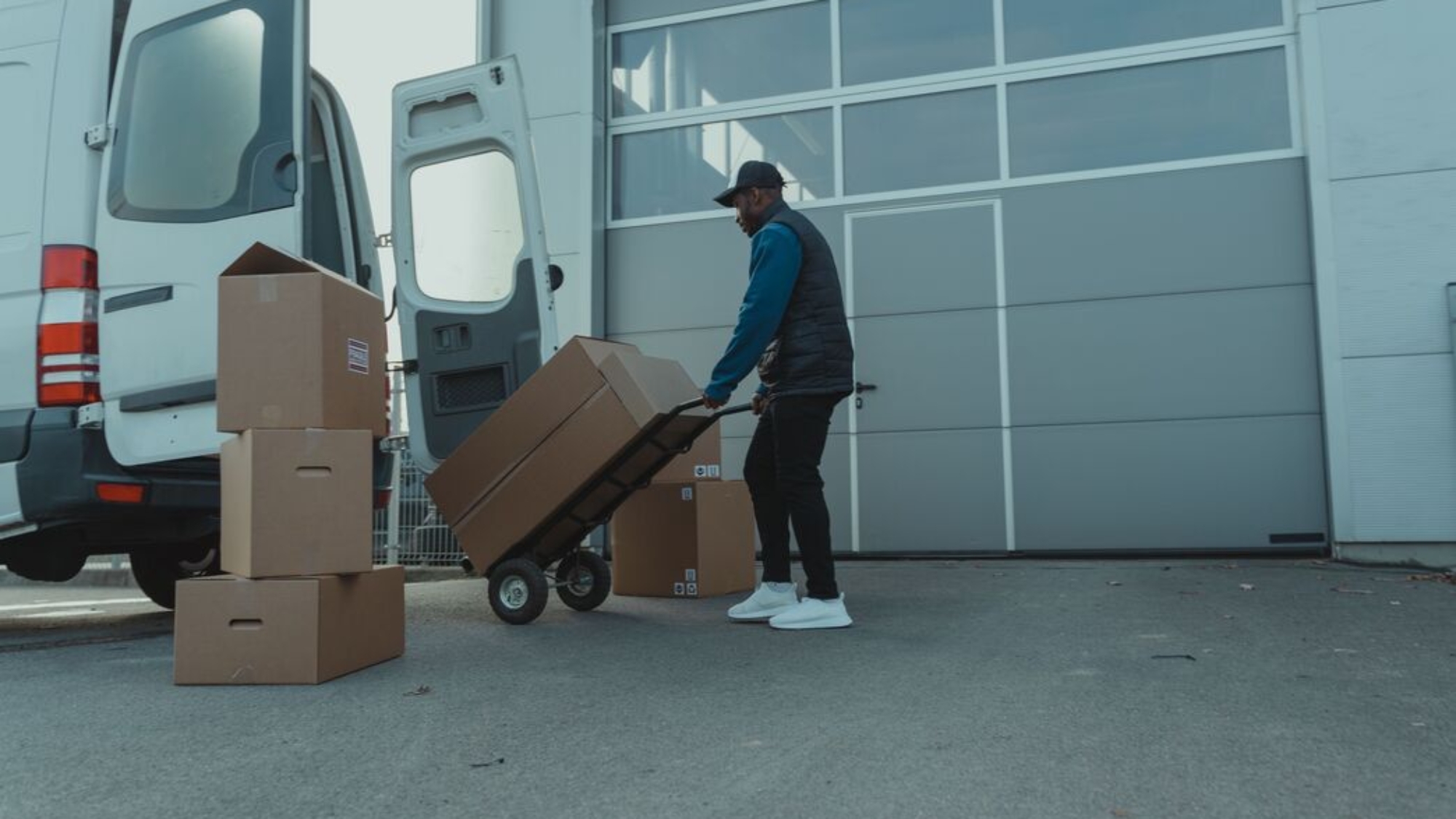
Returns in B2B logistics rarely attract the operational investment they deserve. The focus in most freight operations sits firmly on the outbound flow – the shipments that generate revenue, satisfy customers, and are tracked against delivery performance metrics. Returns are handled reactively, often without dedicated processes, and their true cost tends to be absorbed across multiple budgets rather than measured clearly against a single line. That invisibility is what keeps returns management underinvested – and what makes it one of the more accessible operational improvements available to businesses with significant freight volumes. RoadFreightCompany sees the full cost of poorly managed B2B returns across client operations regularly enough to treat it as a topic worth raising proactively rather than waiting for a client to identify it as a problem.
What Makes B2B Returns Different
B2B returns are structurally different from consumer returns in ways that affect how they should be managed. The volumes per return event are typically larger – a full or partial pallet rather than a single item. The documentation requirements are more complex – credit notes, goods return authorisations, updated delivery records. The reasons for return are more varied – damaged goods, over-delivery, specification mismatch, end-of-contract stock recovery – and each reason may require a different handling and routing decision.
The receiving end of a B2B return is usually the shipper’s own warehouse or distribution centre, which means the return competes for dock space, staff time, and processing capacity with the outbound operation it is flowing against. Returns that arrive without advance notice, without documentation, or outside agreed return windows create operational disruption that the warehouse team absorbs informally – in overtime, in diverted attention, in inventory records that do not reconcile cleanly.
The operations that manage B2B returns most effectively are those that treat the return flow as a planned process with its own scheduling, documentation standards, and receiving procedures rather than as an interruption to the normal operation. Building that structure requires a modest investment in process design and carrier coordination – and it pays back quickly in reduced handling cost, faster inventory recovery, and fewer credit note disputes. Designing that structure is something the operations team at RoadFreightCompany works through with clients whose return volumes have grown to the point where ad hoc handling is generating visible cost.
The Documentation Layer
The documentation requirements for B2B returns are the most common source of delay and dispute in the reverse flow. A return that arrives without a goods return authorisation number cannot be processed immediately – it sits in a holding area while the authorisation is traced, occupying space and staff attention. A return whose condition at collection was not documented creates a dispute about whether damage occurred during transport or was pre-existing when the goods were collected.
The documentation habits that prevent most B2B return problems are straightforward: issue a return authorisation before collection, confirm the condition of goods at collection with a signed note, and ensure the carrier’s collection record matches the authorisation in terms of quantity and product description. These steps add minutes to each return event and remove hours from the dispute resolution that follows when they are skipped.
Carriers who collect B2B returns without a structured documentation process are carrying the shipper’s risk alongside the cargo. A collection record that is incomplete or inaccurate is a liability that surfaces when the goods arrive in a condition that does not match expectations – and at that point, the absence of documentation makes the question of responsibility much harder to resolve than it needed to be.
What Good B2B Returns Management Looks Like
The structural features of a well-managed B2B returns operation are consistent across different industries and cargo types. Pre-authorised return windows that align with the outbound delivery schedule reduce the dock congestion that ad hoc returns create. Condition assessment at collection, rather than at destination, produces better data and enables earlier routing decisions. Clear disposition rules – what gets restocked, what gets inspected, what gets disposed of – applied consistently reduce the time goods spend in limbo between return and resolution.
The carriers who add the most value in B2B returns are those who treat the collection with the same documentation rigour as an outbound delivery – confirming quantities, noting condition, and producing a collection record that supports the downstream process rather than complicating it. That rigour is what RoadFreightCompany applies to return collections across client accounts – because a return handled well from the collection point reduces cost and complexity at every subsequent stage.
The Financial Case for Getting This Right
B2B return costs that are not measured tend not to be managed. The direct costs – collection freight, handling time, reprocessing – are recoverable once they are attributed correctly. The indirect costs – delayed inventory recovery, credit note disputes, write-offs that could have been avoided with faster processing – are typically larger and harder to quantify without a deliberate effort to track them.
The businesses that have built the financial case for B2B returns investment consistently find that the returns management cost per unit is significantly higher than it appeared before the analysis was done. That finding changes the investment conversation – from “we cannot justify spending more on returns” to “we are already spending more than we realised, just in the wrong places.” Redirecting that spend toward prevention and process rather than remediation produces better outcomes at equal or lower total cost.
The analysis itself is not complicated. Three months of return event data – collection cost, handling time, credit note value, write-off rate – assembled into a cost-per-return-event figure is usually sufficient to make the case. Most operations find the number instructive. Getting to it is the part that requires a decision to look.
The freight operations with the cleanest B2B returns processes are rarely the ones that set out to build a sophisticated reverse logistics capability. They are the ones that looked at what their returns were actually costing them – and then made a series of modest, specific improvements that compounded into a materially better operation. That is the journey Road Freight Company helps clients take when the data makes the case clearly enough to act on.
B2B returns will always be part of a freight operation that involves real commercial relationships – over-deliveries happen, specifications change, contracts end. The question is not whether returns will occur but whether the process behind them is efficient enough to recover value rather than consume it.
The gap between an ad hoc returns process and a structured one is smaller than most operations expect – and the return on closing it is faster than most finance teams anticipate. Building that structure is one of the more straightforward logistics improvements available, and it tends to stay improved once it is done properly.