
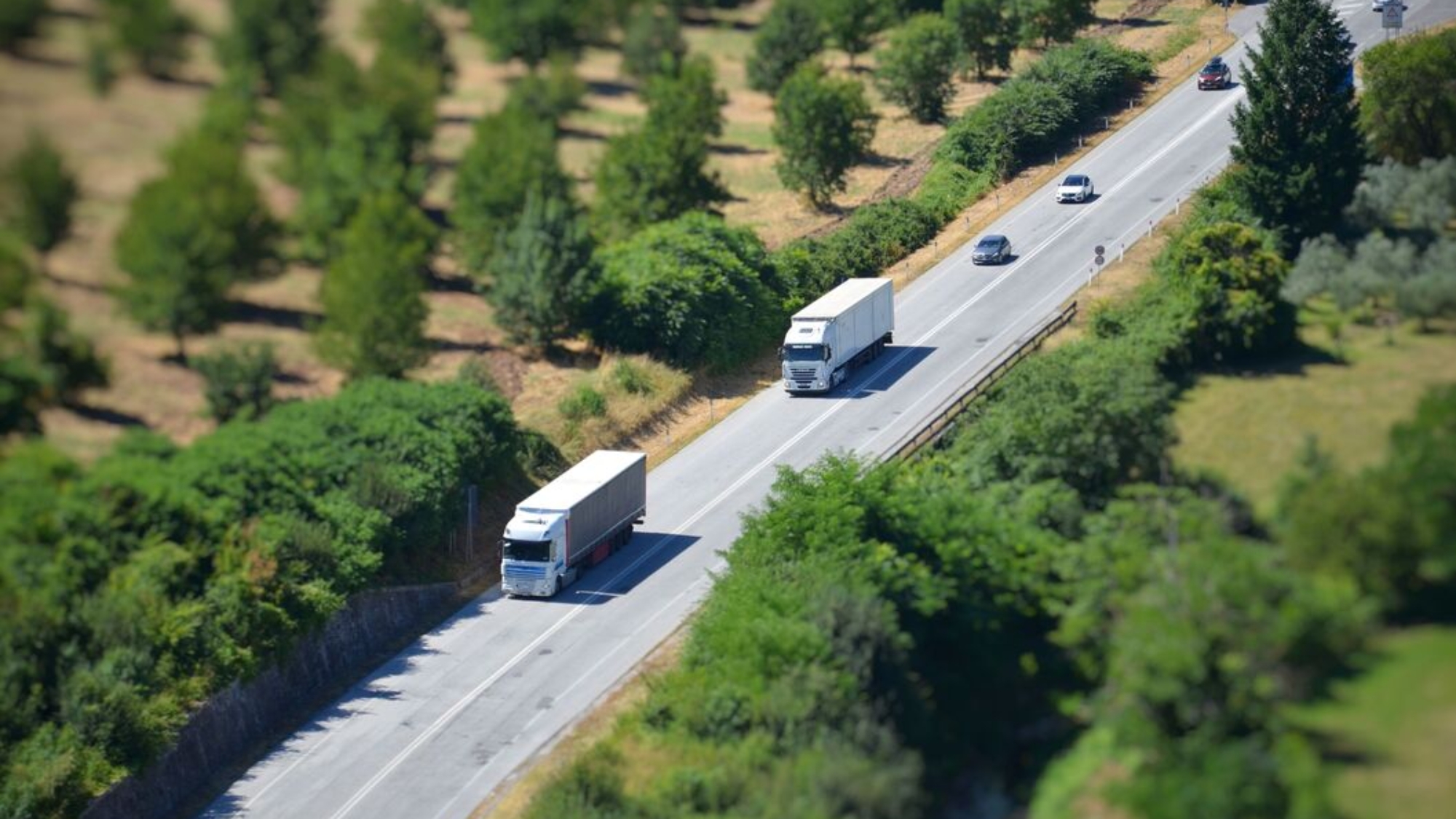
Sustainability has moved from a side conversation in logistics to a central one. Shippers are asking harder questions about emissions. Large retailers are setting carbon targets that flow down to their supply chains. Regulatory pressure across Europe is tightening around vehicle standards and low-emission zones in major cities. For road freight operators, the question is no longer whether to engage with this shift – it is how to do it in a way that actually changes outcomes rather than just producing better-looking reports. RoadFreightCompany approaches emissions reduction by looking at operational factors together rather than treating sustainability as a separate programme sitting alongside the core business.
Load Efficiency as an Environmental Lever
One of the most effective ways to reduce the carbon impact of road freight is also one of the most straightforward: move more cargo per journey. Consolidation – combining shipments from multiple senders onto a single vehicle – reduces the total number of truck movements needed to deliver the same volume of goods. For shippers, this sometimes means accepting a slightly longer transit time in exchange for a shared load rather than a dedicated vehicle. The environmental trade-off is usually significant.
The challenge is that load efficiency requires coordination across multiple clients and shipment schedules. When it works well, it is invisible. When coordination breaks down – a shipment arrives late, a pickup is cancelled at short notice – the consolidated load either leaves with empty space or waits, and the efficiency gain disappears. The carbon footprint of a shipment is determined by more than the fuel a truck burns on the road. Load efficiency, route planning, and idle time at loading docks all contribute to the overall emissions picture – and all are manageable with the right operational habits.
What Shippers Can Do From Their Side
Sustainability in freight is not solely the carrier’s responsibility. The decisions shippers make about packaging size, pallet configuration, and shipment timing all affect how efficiently their cargo can be loaded and moved. Oversized packaging that wastes trailer space, irregular pallet heights that prevent stacking, shipments scheduled for departure times that force a half-empty truck to leave – these are shipper-side choices with real emissions consequences.
Carriers who work with sustainability-conscious clients notice a consistent pattern: the shippers who ask the most detailed questions about emissions are often also the ones whose freight is easiest to handle efficiently. The operational disciplines that reduce waste and rework align directly with the habits that reduce carbon output. Preparing freight carefully, communicating accurately, and planning shipments with realistic lead times all contribute to a more efficient and less carbon-intensive supply chain. Emissions data per shipment is something clients of RoadFreightCompany receive as a standard part of reporting, based on actual fuel consumption rather than modelled estimates – a distinction that matters when those figures feed into a client’s own carbon disclosures.
Measuring What Actually Matters
One complication in the sustainability conversation is the quality of the data. Emissions calculations for freight vary significantly depending on methodology. Shippers who want meaningful carbon data should ask specifically how figures are calculated – whether they are based on actual fuel consumption or modelled estimates, whether empty return legs are included, and whether the methodology aligns with recognised standards such as EN 16258. Carriers who can answer these questions with specifics have generally done the operational work, not just the reporting work. That level of transparency is something RoadFreightCompany treats as a basic expectation rather than a differentiator – because clients serious about their own sustainability commitments need data they can actually rely on.
The distance between a sustainability claim and a sustainability practice is often visible in exactly this kind of detail. Green logistics is a direction, not a destination – the industry will be working toward lower emissions for the next decade and beyond. The freight operators – and Road Freight Company counts itself among them – who build operational foundations now, rather than waiting for regulation to force the issue, will be better positioned as vehicle technology, urban access rules, and client expectations continue to evolve. For shippers evaluating logistics partners, sustainability practice has become a reliable indicator of broader operational quality. A carrier who manages emissions carefully tends to manage everything else carefully too – the habits that reduce carbon output and the habits that produce reliable, on-time freight are, in most cases, exactly the same habits.