
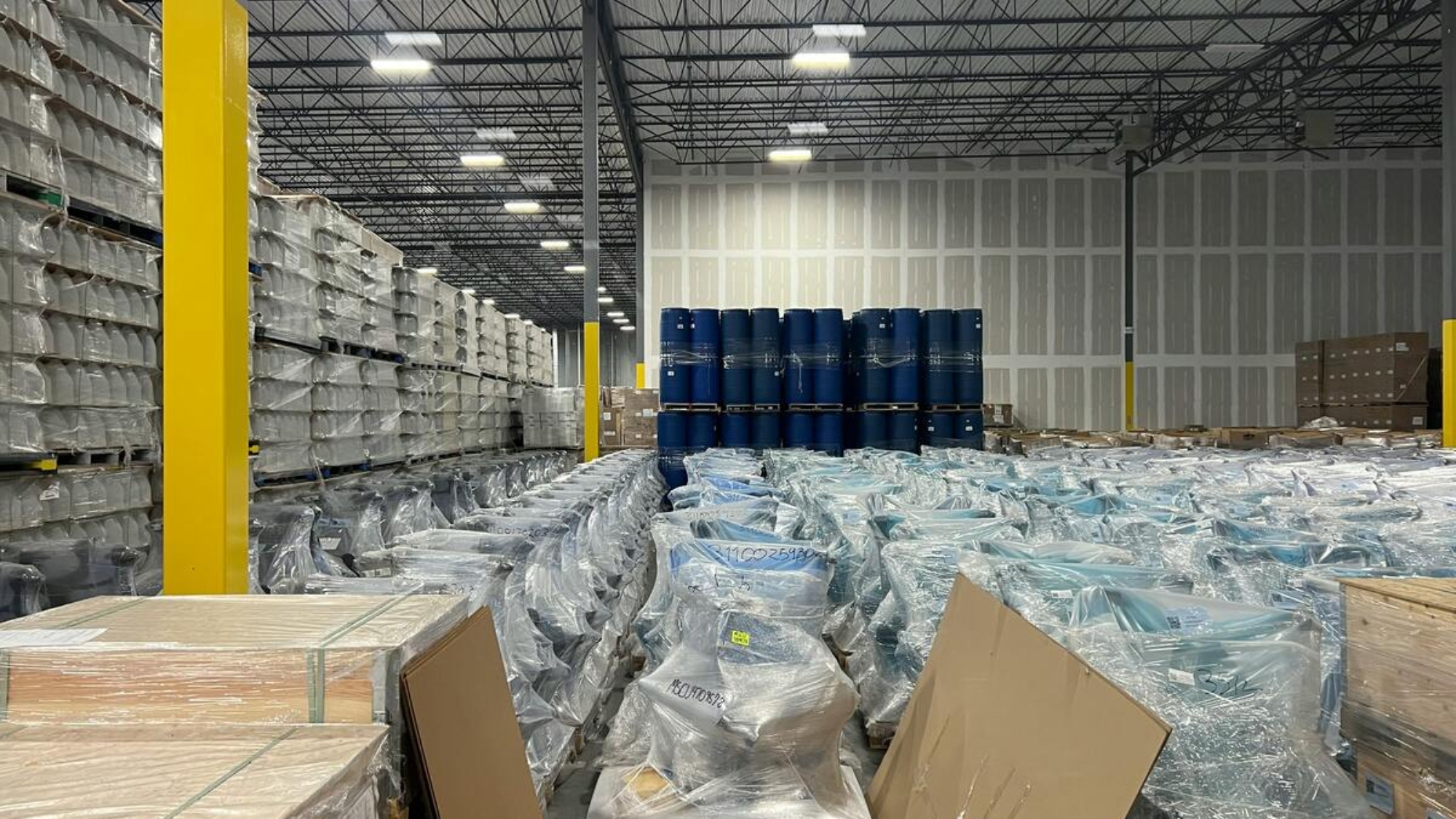
Most people who ship freight think about two moments: when the cargo leaves their facility and when it arrives at the destination. Everything in between tends to feel like a black box. Understanding what actually happens during warehouse transit – and where things go wrong – helps shippers make better decisions about how they prepare freight and what they should expect from their logistics partner.
At RoadFreightCompany, a significant share of avoidable delays originate not on the road but in the hours between a shipment arriving at a consolidation point and the truck leaving the yard. Getting visibility into that window is one of the most practical things a shipper can do.
Consolidation Is Where Timing Gets Complicated
Most road freight does not travel on a dedicated vehicle from door to door. Cargo from multiple senders gets combined at a hub, sorted by destination, and loaded onto outbound trucks running specific routes. This consolidation process is efficient at scale, but it introduces dependency. Your shipment’s departure time is partly determined by when other freight on the same route is ready.
A pallet that arrives at the warehouse early but is poorly labelled will sit in a holding area while staff try to identify it. Freight with incomplete documentation may be set aside until the paperwork is resolved. Neither situation is catastrophic on its own, but both can cause a shipment to miss an outbound load and wait for the next available slot – sometimes by several hours.
What Good Warehouse Handling Actually Looks Like
When freight moves through a warehouse efficiently, it is almost invisible. Pallets arrive with clear labels and complete documentation. Staff scan them in, assign them to the correct outbound route immediately, and position them in the loading sequence. Forklift operators work through the load plan without interruptions. The truck departs on time.
What disrupts this flow is usually not volume – it is exceptions. Damaged packaging that requires rehandling. A weight discrepancy that needs to be reconciled. Cargo marked urgent but arriving without any indication of why or for whom. Experienced warehouse teams at RoadFreightCompany track these exception types across routes to identify patterns that repeat, so the same problem does not keep surfacing in the same place.
The habits that prevent most warehouse delays are straightforward:
- Accurate labelling on every pallet, with readable barcodes and correct destination information
- Complete documentation attached to the shipment before it leaves the sender’s facility
- Realistic pickup windows that give warehouse staff time to process freight before the outbound load is assembled
- Clear handling instructions for anything fragile, oversized, or time-sensitive
Why Transparency Between Shipper and Carrier Matters
One of the most underused tools in freight logistics is the pre-shipment conversation. When a carrier knows in advance that a particular load is time-critical, or that the packaging on a certain consignment is borderline, they can plan around it. When that information only surfaces at the warehouse dock, the options narrow quickly. Shippers who build this kind of communication habit consistently see fewer surprises at the consolidation stage – and fewer delays that trace back to information that was available but never shared.
The operations that run most smoothly are almost always built on exactly this foundation: shippers who flag unusual loads early, provide accurate weights and dimensions, and confirm pickup readiness before the driver arrives. That information does not just help the carrier. It protects the shipper’s own delivery timelines. At Road Freight Company, this kind of proactive exchange is something dispatch teams actively encourage with every regular client.
Warehouse transit is not a passive stage in the freight journey. It is an active process with its own dependencies, timelines, and failure points. Shippers who understand this tend to prepare differently – and their freight moves more predictably as a result. The carriers who make this stage transparent, rather than treating it as purely internal business, are the ones worth building long-term relationships with. Visibility into what happens between pickup and departure is not a luxury – it is part of what a reliable logistics partnership should include. That is the standard RoadFreightCompany holds its own warehouse operations to.