
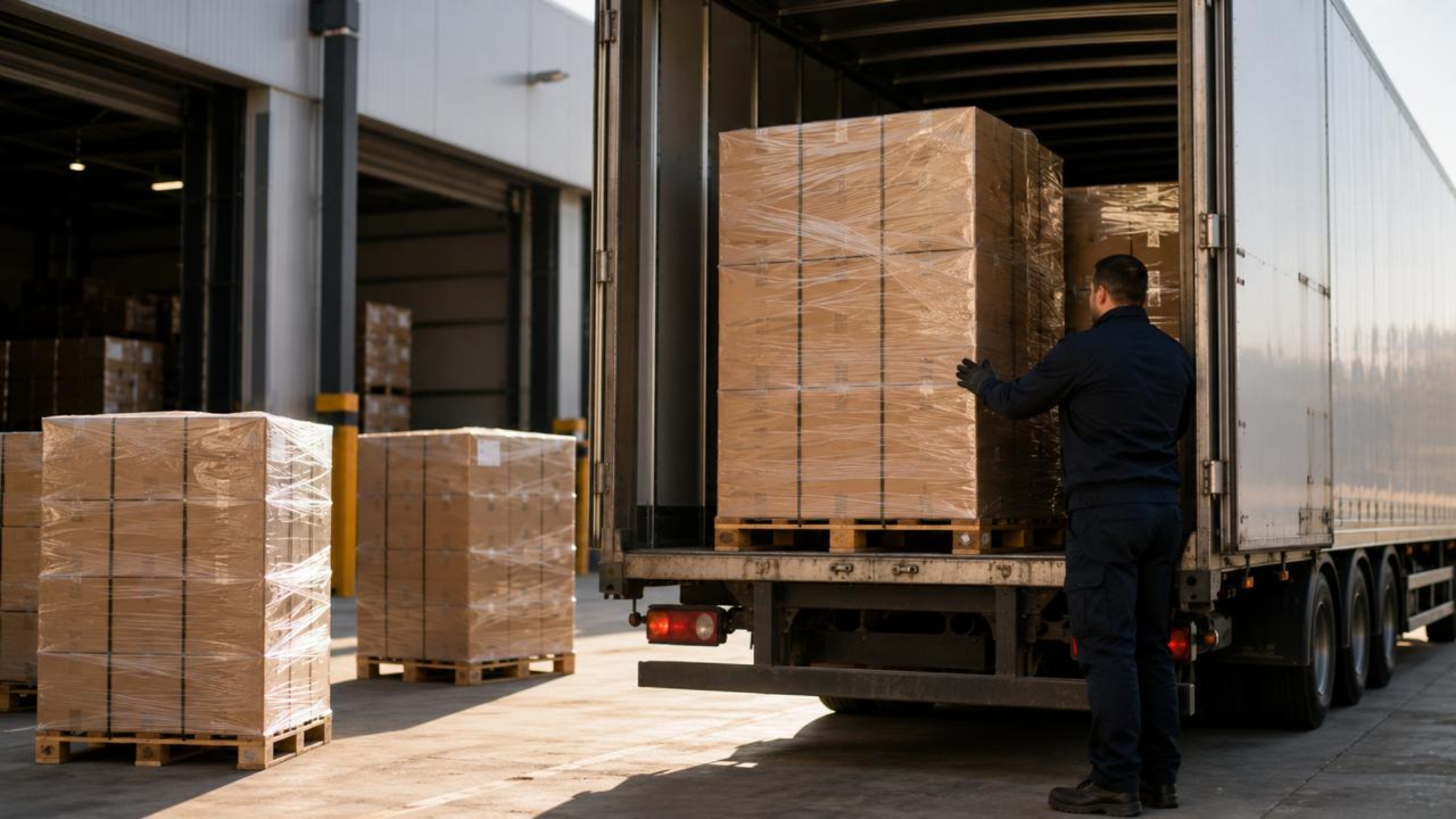
Cargo preparation usually gets discussed as a safety issue first. Properly secured freight prevents shifting, damaged goods, and dangerous situations on the road. That part is obvious. What receives less attention is how preparation changes almost everything else around the shipment too – timing, unloading speed, warehouse coordination, even the mood between drivers and site staff. At RoadFreightCompany, badly prepared cargo often creates operational problems long before safety becomes the concern.
A trailer can leave the warehouse looking perfectly acceptable from the outside while small preparation mistakes quietly wait to cause trouble later. Loose shrink wrap. Mixed pallet heights. Labels placed where scanners cannot read them quickly. None of this seems critical while the truck is parked in the loading bay. The consequences usually appear several hours later at the unloading point, when workers stop the process to figure out what they are actually looking at.
There was a shipment of household appliances moving through western Germany earlier this year that stayed on schedule almost the entire day. Then the truck reached the second delivery location. Warehouse staff opened the trailer and realized the pallets had been arranged in a sequence that did not match the unloading order. Nothing was damaged. Nothing unsafe. Yet forklifts spent nearly an hour moving freight around inside the trailer just to reach the correct goods.
That single preparation issue affected far more than unloading time. Another truck waiting for the same dock had to remain outside the gate, dispatchers started adjusting estimated arrival times for later stops, and warehouse workers rushed through the final part of the shift trying to recover lost time. RoadFreightCompany sees these situations regularly because preparation problems tend to spread outward through the operation instead of staying isolated.
The Freight Keeps Moving, But Less Smoothly
Poor cargo preparation creates a strange kind of inefficiency. The shipment technically continues moving, but every stage becomes heavier and slower than it should be. Drivers spend more time checking stability during the route. Warehouse teams pause to reorganize freight before unloading. Small corrections appear constantly because the cargo was never fully ready from the beginning.
The difference becomes obvious when freight arrives properly organized. Pallets are positioned in unloading order. Labels remain visible. Protective wrapping holds firmly even after several hours on uneven roads. Forklift operators move confidently because nothing needs to be adjusted first.
Some of the most useful preparation habits are fairly simple:
- stable pallet stacking
- clear label placement
- unloading sequence planned in advance
- secure wrapping that survives handling and weather
- enough spacing for forklifts to work safely inside the trailer
At Road Freight Company, smoother delivery days often begin with details handled quietly before departure. Well-prepared cargo reduces delays that nobody originally planned for. Drivers wait less, warehouse teams work more consistently, and dispatch spends less time reacting to avoidable disruptions.
Cargo preparation influences far more than what happens during transport itself. It shapes how efficiently people work around the shipment from start to finish. When freight arrives organized, stable, and easy to handle, the entire operation tends to move with fewer interruptions and far less unnecessary pressure.