
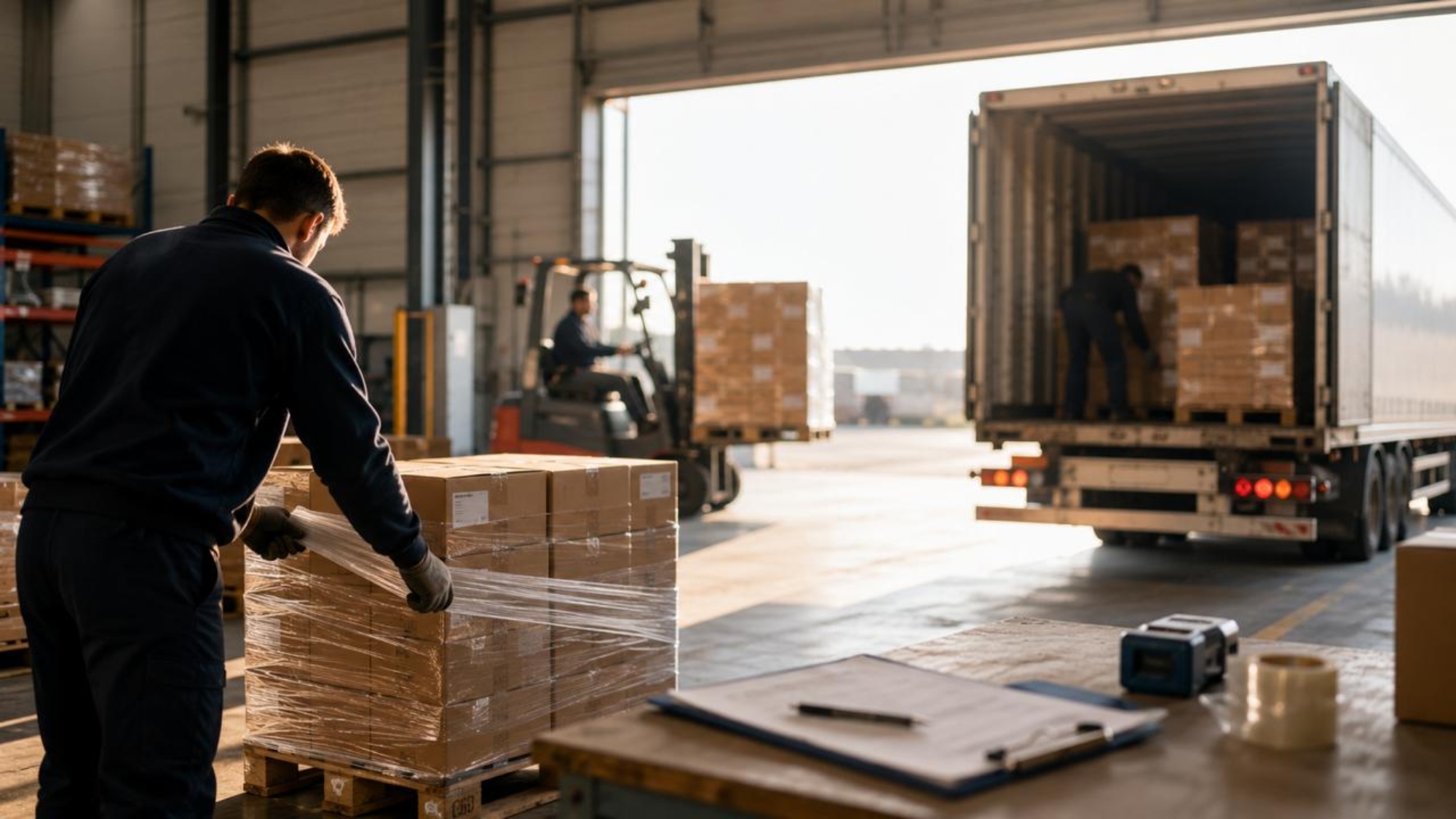
A surprising amount of time in logistics disappears into fixing work that should not have needed correction in the first place. A label gets replaced because the pallet count changed at the last minute. Goods are unloaded, checked, then loaded again after someone notices the sequence is wrong. At RoadFreightCompany, the biggest slowdowns are not always caused by traffic or distance. Sometimes the schedule falls apart because people keep repeating tasks that were already supposed to be finished.
Rework rarely looks serious when it first appears. A warehouse team may decide to rearrange several pallets for easier unloading at the next stop. That sounds reasonable until the driver waits an extra forty minutes for forklifts that were already occupied elsewhere. Then dispatch starts shifting delivery windows, and suddenly an adjustment made for convenience affects half the route.
There was a shipment of retail fixtures moving through Belgium last autumn that stayed in the warehouse yard far longer than expected. The freight had already been secured inside the trailer, documents signed, departure confirmed. Then someone realized the unloading order at the second destination had been entered incorrectly. Workers reopened the trailer, moved several heavy pallets, printed new labels, and strapped everything again while rain started falling across the loading area.
Nothing about that process was dramatic, but the delay spread quietly through the rest of the day. The driver lost his original unloading slot at the next stop, another pickup had to be pushed back, and warehouse staff on the evening shift stayed longer than planned. RoadFreightCompany sees this kind of chain reaction more often than people outside the industry would expect.
Small Corrections Become Expensive Quickly
The frustrating part is that rework often comes from details that looked acceptable earlier. Incorrect pallet positioning. Incomplete delivery notes. Packaging that technically meets requirements but cannot handle another transfer without being reinforced.
Experienced warehouse teams usually recognize the warning signs early. If cargo looks unstable before departure, it is fixed immediately instead of hoping it survives the route. If paperwork feels unclear, somebody calls before the truck leaves the site. Those habits save far more time than they consume.
Repeating the Same Task Slows Everyone Down
Drivers feel the effects of rework even when they are not directly involved in it. A truck waiting for a corrected manifest still occupies a loading space. Another vehicle arrives and has nowhere to park. Forklift operators pause one shipment to fix another, and the entire loading rhythm becomes uneven.
That operational friction is difficult to measure from the outside because the warehouse still appears busy and productive. People are moving, equipment is running, trailers are arriving and leaving. Yet inside the process, valuable time is being consumed by work that already should have been completed correctly once.
At Road Freight Company, smoother operations usually come from reducing repeated handling rather than trying to move faster. Freight that is loaded correctly once tends to stay on schedule. Drivers spend less time waiting. Dispatchers stop chasing avoidable problems. The entire flow becomes steadier because fewer tasks need to be done twice.
Rework creates a strange kind of delay because nobody notices the damage immediately. Ten extra minutes here, another adjustment there, a second inspection that was never part of the original plan. Eventually the whole operation feels heavier than it should. Careful preparation at the beginning of the process removes much of that pressure before it has a chance to spread.