
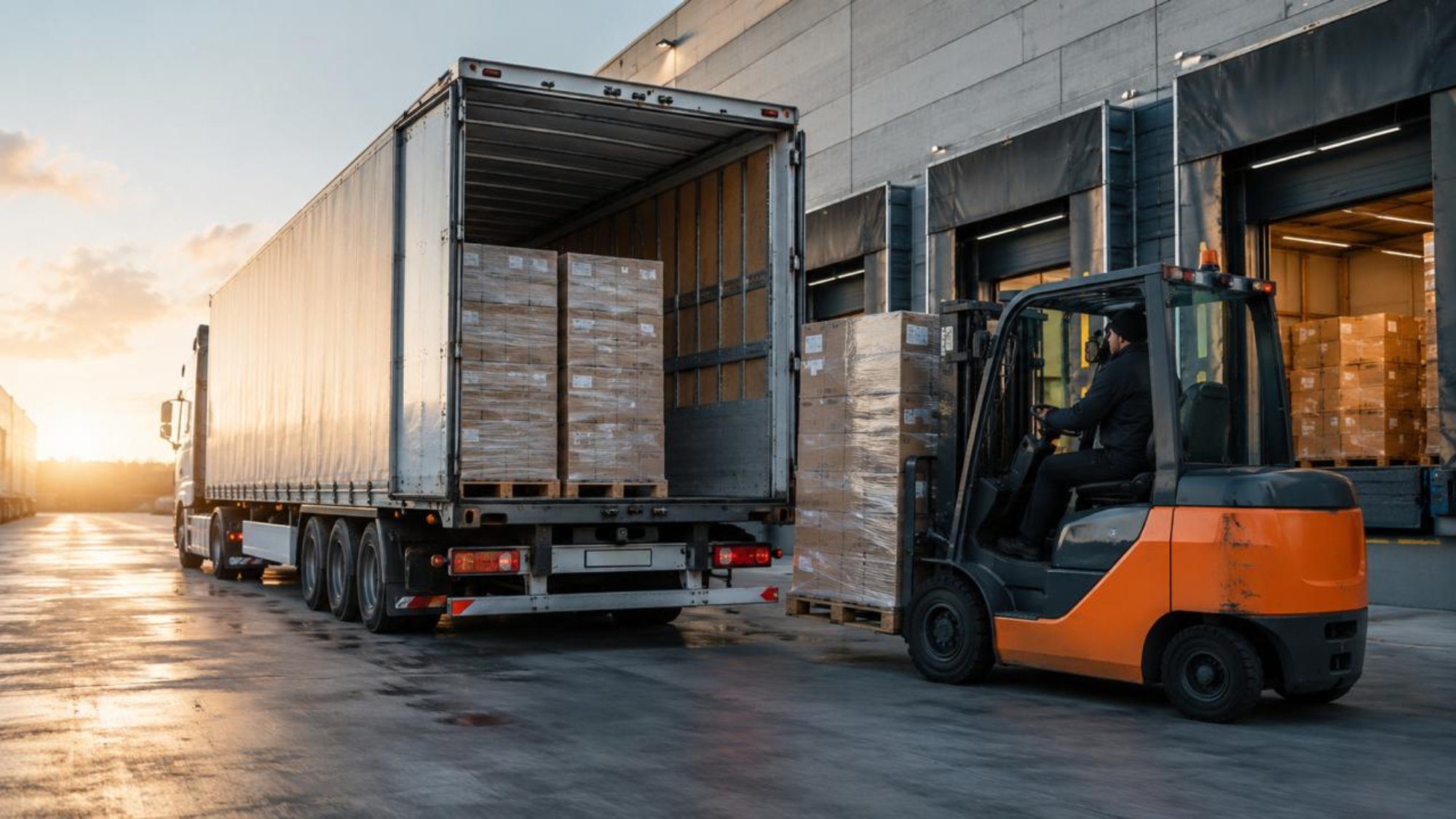
Some pickup points seem easy from the dispatch screen and turn into a headache the moment the truck arrives. Others handle large volumes every day and still keep vehicles moving with very little friction. After enough shipments, the pattern becomes obvious. The difference is rarely about the size of the facility. At RoadFreightCompany, we have seen small regional warehouses outperform major distribution centers simply because they are organized in a way that respects the driver’s time.
The easiest locations tend to share a few practical habits. Drivers know exactly which gate to use. Contact numbers actually work. Loading staff already have the documents prepared before the truck backs into position. Nothing feels rushed, but nothing sits idle either. A trailer may arrive fifteen minutes early and still be on its way within the hour.
Other sites create delays through a collection of minor issues that would seem harmless on their own. The security guard has no information about the pickup. The warehouse team is finishing another order. A forklift battery is charging. Someone realizes the pallets are stacked but not wrapped. None of these problems sound dramatic, yet together they can quietly remove two hours from the schedule.
Where the Process Usually Breaks
One collection warehouse in northern Germany comes to mind. The goods were ready, the paperwork was correct, and the staff were cooperative. The only problem was that trucks had to queue in a narrow yard shared with local vans and employee cars. Every movement depended on another vehicle reversing first. RoadFreightCompany has encountered many facilities like this, where the shipment itself is fully prepared but the physical layout slows everything down.
The most manageable pickup points usually get three things right:
- Clear arrival instructions
- Enough space to maneuver safely
- Goods and documents prepared before loading begins
That sounds simple, but these details shape the entire rhythm of the day. RoadFreightCompany often notices that well-run locations create a sense of predictability. Dispatchers can plan with more confidence, drivers remain less stressed, and customers receive more accurate updates because fewer assumptions are needed.
There is also a human side to this. Warehouse teams that communicate directly and admit when something is not ready are far easier to work with than sites that keep drivers waiting without explanation. Even a short message such as “We need twenty more minutes” allows the rest of the route to be adjusted sensibly.
Not every pickup location will be perfect. Tight industrial zones, shared facilities, and seasonal pressure are part of the job. Still, some sites are consistently easier because they remove unnecessary uncertainty before the truck arrives. Road Freight Company values those locations because they help keep freight moving steadily, with fewer surprises and much better control over the day.