
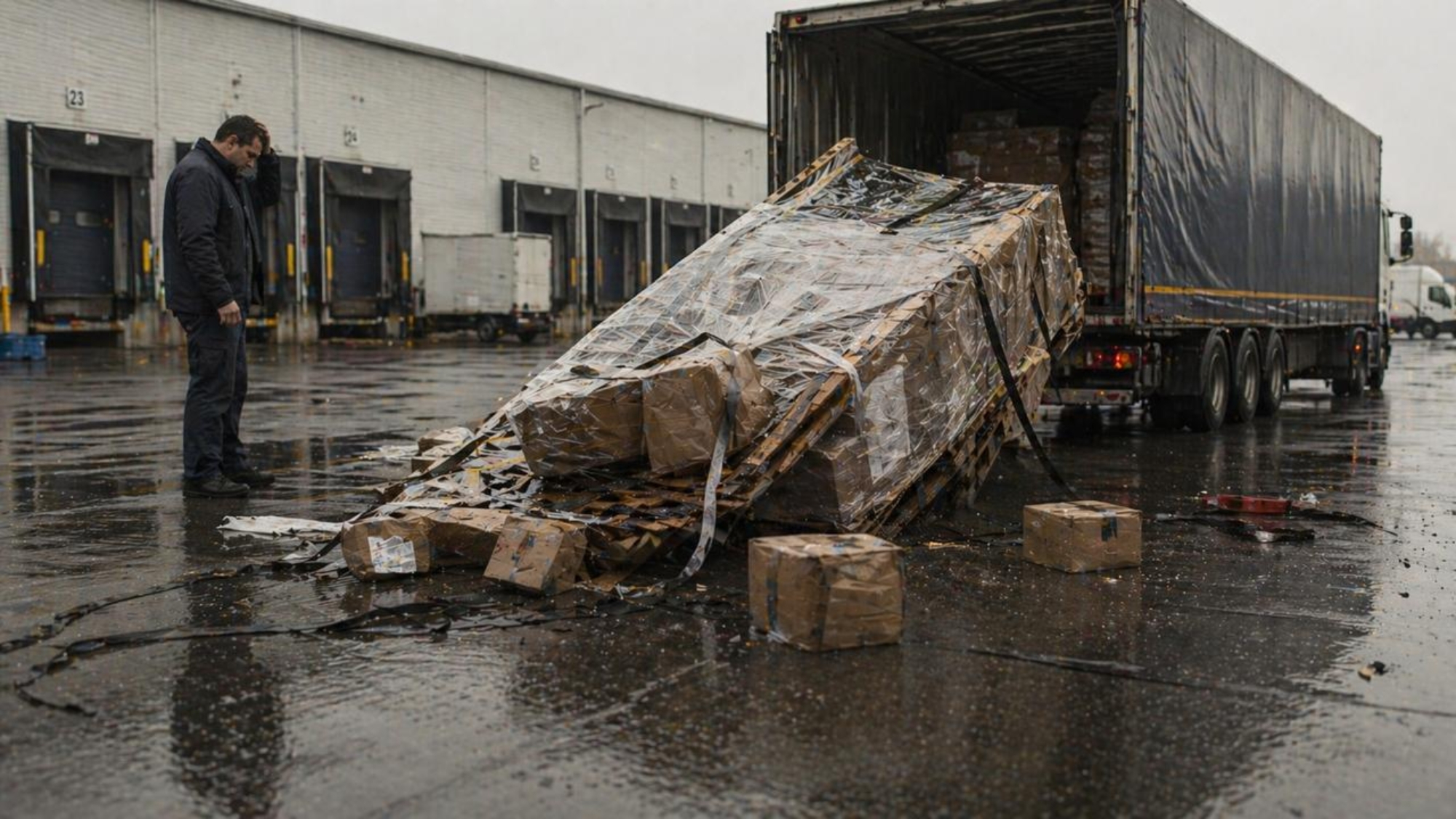
There are jobs that look perfectly organized on paper, yet you already know something is off long before the truck leaves the yard. At RoadFreightCompany, we’ve learned to treat early signals seriously, because once a vehicle is on the move, you’re mostly dealing with consequences rather than choices.
It usually starts with small gaps in information. A delivery address that technically exists but doesn’t mention the side entrance everyone actually uses. A time slot agreed over the phone without checking site availability. Nothing dramatic, just loose ends that quietly stack up. By the time dispatch confirms everything, the plan feels complete, but it’s already fragile.
One case still comes to mind: a scheduled morning delivery to a retail warehouse that had recently changed its unloading routine. Nobody flagged it, not even the client. The driver arrived on time, but the gate was locked, staff weren’t expecting him until later, and the loading bay was occupied. We spent over an hour just figuring out who could authorize access, while the schedule for the rest of the day started slipping.
Midway through situations like that, teams at RoadFreightCompany often realize the problem isn’t the delay itself, but how early it was built into the process. The truck hasn’t done anything wrong. It simply arrived into a setup that couldn’t receive it.
Another pattern is mismatched assumptions around cargo readiness. Someone confirms that everything is packed, but “ready” turns out to mean items are still being labeled or waiting for final checks. Drivers end up standing by, engines off, watching time disappear. You can feel the tension rise, not because anything is broken, but because no one aligned expectations properly.
There are also moments where access conditions get overlooked completely:
- narrow streets not suitable for the assigned vehicle
- temporary construction blocking entry
- height restrictions that weren’t mentioned
- unloading equipment that isn’t actually available
None of these issues appear during planning if no one asks the uncomfortable questions. But they surface immediately on arrival, and by then, options are limited.
We’ve seen how quickly this spirals. A driver waits longer than expected, misses the next slot, and suddenly a single miscommunication affects multiple deliveries. Teams working with Road Freight Company often adjust routes on the fly to contain the damage, but it’s never as clean as preventing the issue in the first place.
What makes these situations frustrating is how avoidable they are. Not through complicated systems, but through attention. Someone double-checking access points. Someone asking what “ready” actually means in practice. Someone confirming that the receiving side is prepared at the exact time, not just “that day.”
By the time a truck is rolling, most of the outcome is already decided. That’s the part people tend to underestimate. Smooth deliveries rarely depend on what happens on the road. They depend on what was clarified, questioned, and confirmed before the engine even started. And that’s exactly where control either holds – or quietly slips away.